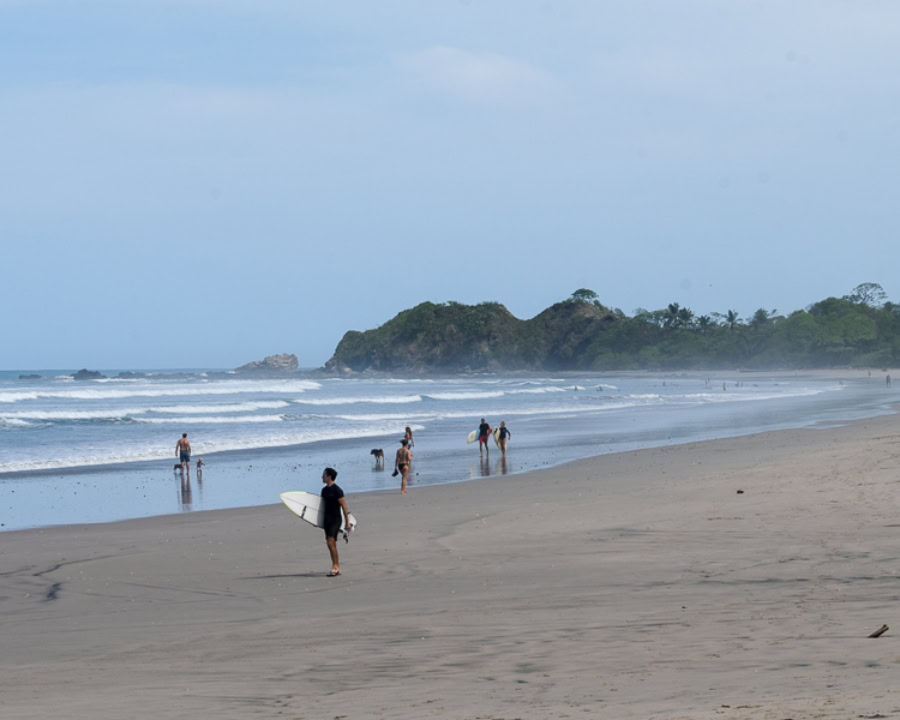
Puerto Rico offers up a variety of incredible waves in a stunning tropical island paradise. Commonly known as the “North Shore of the Caribbean,” Puerto Rico’s best waves do a good imitation of certain hollow Hawaiian barrels that we’ve all seen in the media a thousand times.
A hop, skip, and a jump from the East Coast of the US, Puerto Rico is a rite of passage for many East Coasters. Who wouldn’t want to escape the cold, harsh winter with a trip to warm, clear water and an abundance of good waves?
In addition to pumping surf, Puerto Rico delivers laid-back, friendly vibes that are downright infectious. You can’t help but unwind, relax, and tap into the chill island way of life.

In this Guide to Surfing Puerto Rico, we cover everything you need to know to plan an awesome trip in this slice of surf paradise. This guide details surf seasons, surf break info, where to stay, things to do (besides surfing), transportation, and more, with a focus on the island’s northwest beach communities of Rincon, Aguada, and Aguadilla.
These surf-rich beach towns are the main attraction for surfers visiting from around the globe—along with the crystal-clear 80-degree water, beautiful beaches, and relaxed beach lifestyle.
Want to have the best surf trip to Puerto Rico?
We specialize in bespoke luxury surf trips to Puerto Rico, tailored to your surf level and preferences. Enjoy an expertly-planned surf vacation with insider surf intel, the best local surf coaches, stunning villas, talented private chefs, surf photography, and more. We’ve vetted and curated the crème de la crème in Puerto Rico and bring everything together to create dream surf getaways. Learn more.
Surfing Puerto Rico

The Caribbean’s most popular surf destination, Puerto Rico is a territory of the United States, which means it’s easy to travel to and get around. This is great news for the thousands of surfers who visit from the US East Coast every year, chasing clean water, powerful winter swells, and nicely shaped reef breaks. From beginner spots and rippable reef points to hairball barrels and a legitimate big wave spot, Puerto Rico has something to offer just about every type of surfer. It even hosted a world tour event for a few years!
While other Caribbean islands might seem a little more exotic (due to foreign languages and different currencies), Puerto Rico is as dependable and convenient as they come–and a tropical paradise in its own right. While the West Coast runs to Hawaii during the winter, East Coasters head to Puerto Rico—and many would argue that they get the better end of the deal.
Where to Surf in Puerto Rico

Most of the quality surf in Puerto Rico during the winter (which is the main season) occurs on the north and northwest side of the island, which receives consistent swells out of the Atlantic and relatively clean conditions from the east/northeast trade winds. The main regions on this coast include Rincon (known by many as the “Surfing Capital of the Caribbean”), Isabela, and Aguadilla. Between these three areas, you’ll find most of the big-name spots Puerto Rico is famous for, along with a number of lesser-known (and less-crowded) lineups.
Surf Seasons and Swell Info
Summer in Puerto Rico is hot and fickle—not ideal if you’re looking to score waves and only have a week to work with. The best time to surf here is late fall, winter, and early spring.
In September, the Atlantic Ocean begins to come to life, delivering fun-sized surf to the northwest coast of Puerto Rico. But winter swells are what gave Puerto Rico its reputation as the “North Shore of the Atlantic.” This is when the surf can get big and gnarly. Treacherous barrels over shallow reefs and seriously strong currents and rip tides are more common. As with everywhere, there is always the possibility of getting skunked, as there are times when the surf is small or flat for more than several days in a row—but there’s usually somewhere with a surfable wave.

Types of Surf Breaks
The waves in Puerto Rico are primarily reef breaks and reef points, which means they tend to be shallow, powerful, and well-shaped. But not every wave is a dry-reef slab. There are rippable walls, deep-water big wave spots, a few peaky beach breaks, and even beginner spots. Puerto Rico’s biggest advantage is its huge number of surf spots, which not only cater to every level of surfer, but also help to spread out the healthy surf population on the island.
Level of Difficulty
Since Puerto Rico is mostly known for big, hollow, powerful surf and reef breaks, it is definitely more suitable for intermediate to advanced surfers. Puerto Rico is also known for having strong currents and riptides, as well as a healthy supply of sea urchins.
Generally speaking, experience is recommended here, as Puerto Rico doesn’t exactly have a reputation as a place to learn to surf. That being said, there are numerous options for beginners.
As with most surf destinations, when the swell is pumping, there are protected spots where less experienced surfers can have fun and get their feet wet, too. In addition, big swells come and go, with the days before and after the peak of the swell typically fun-sized and manageable for novice surfers. Know your limits and ask around if you’re not an expert.
Crowds
The quality of Puerto Rico’s surf is no secret—and since it’s a very easy and desirable surf destination to travel to in the winter, it gets busy during the peak season. The crowds start to die off in March, but head-high+ surf can stick around through May, so it is possible to surf with a small crowd at breaks that would otherwise have dozens of people on them.
Water Temperature
Sitting in the middle of the Caribbean, Puerto Rico is a tropical paradise, which means warm air and warm water year round. Summer and fall are sweltering, with water temps peaking in September at around 85 F. (30 C.). Meanwhile, winter and spring cool down slightly, with March being the coolest month at 79 F. (26 C.). Needless to say, you will not be requiring a wetsuit (although a rash guard can help prevent sunburn).
Getting to the Surf
With an abundance of surf spots and relatively good roads, a rental vehicle is the best way to score in Puerto Rico. Most spots are accessible via paved roads, but there are a few waves that still require 4×4, so the type of vehicle you rent depends on where you plan to surf. A local guide can be helpful if you are trying to score the lesser-known spots, but most spots are public knowledge and pretty easy to find.
Surf Lessons and Surfboard Rentals

While the surf in Puerto Rico is best suited to intermediate and advanced surfers, it’s possible to take surf lessons, and a good surf instructor can point you toward safer spots that are good for beginners. Here are a couple of resources for surfboard rentals and surf lessons.
- Mar Azul Surf Shop Rincón has a good selection of surfboards for rent.
- Rincón Surf School & Resort
- Surfing Lessons Puerto Rico
- Surf 787
Top Surf Spots in Puerto Rico

Rincón Area
Antonio’s
A reef break that caters to the intermediate and experienced surfer. Spread out rights and lefts. Best in the morning, as afternoon onshores can ruin it. N/NW/NE swells and southerly winds are ideal. Antonio’s is a rippable performance wave. The rights can be long and really good when it’s working.
Sandy Beach
Caters to all levels of surfing. Sand-bottom beach break with some rocky reefs in the mix. Mostly lefts, with occasional sandbar rights coming through in front of Tamboo Tavern. When it’s working, the lefts can get very long and rippable. Ideal swells are from the N/NW/NE with southerly winds.

Pool’s
Suited for intermediate to advanced surfers. Pools is a shallow reef break with a few scattered right and left peaks. It’s a juicy wave that packs a punch when it’s overhead, but is fun and rippable in the shoulder- to head-high range. Works best on N, NW, and NE swells and has some wind protection from the NE trades.
Domes
Caters to all levels of experience and all kinds of wave craft riders when it’s smaller. Domes breaks over a fairly shallow rock reef and works best on N, NW, and NE swells with SE winds. It features mostly rights, with some lefts. When bigger and doing its thing, the rights are the main attraction, as they tend to be long and hollow.

Maria’s
Fun for the whole family! Maria’s tends to be a very crowded spot. It’s a long, fast, spread-out right that can connect from the main point all the way through the inside on a good swell. Best on a NW swell with NE trades and a lower tide.
Piston’s and Dogman’s
For the adventurous and more experienced surfer, park at Maria’s and walk south past the river mouth to explore these breaks, which offer some fun hollow lefts and rights over shallow reefs.
Tres Palmas
Puerto Rico’s most famous big wave spots, this wave is only suitable for experienced big wave chargers. It doesn’t start working until it’s double overhead. Know your limits.
Aguadilla Area

Bridges
Caters to all levels. Located in Aguadilla central, Bridges is known for its playful, glassy waves and inevitable crowds. It’s also known to be a bit polluted as a result of runoff from town. But even the filthiest lineup can’t keep a frothing surfer from a rippable sand/reef right-hand point break, which is what you’ll find here when the swell direction is right (WNW).
Crash Boat
Intermediate to advanced surfers. A punchy, sand-bottom right with hollow sections that is popular with the bodyboard crew.
Wilderness
Intermediate to advanced surfers. A fun, rolling right-hand reef point that can handle large swells. Wilderness is a cruisy wave that’s good for longboarding on the average day. There’s a shorter, punchier left-hander over shallow reef to pick off here and there too.
Surfers Beach
Beginner to advanced, depending on the day. This is a consistent reef break that is fun and easy-going when shoulder high or smaller. However, it gets punchier and hollower once head-high and bigger. Watch out for the urchins and rip currents.

Epic surf trips made easy.
Explore luxury done-for-you surf vacations with Lush Palm Private Retreats.
Where to Stay

There are a handful of charming boutique hotels and B&Bs near great surf in Rincón, but if you’re traveling with a group, one of the best options is renting a villa or vacation rental. The Rincón area has some wonderful places to stay tucked away on tropical hillsides or right on the sand with surf breaks out front. Below are a few of our top picks for where to stay in Rincón, based on amenities, design, reviews, and proximity to surf breaks.


Puerto Rico Travel Basics


Seasons and Weather
Puerto Rico has a tropical climate, so the temperature stays around a balmy 80–85 F. the whole year (26–29 C.). The rainy season in Puerto Rico is from April to November, but, as with many tropical climates, rain showers are typically scattered in the afternoons and don’t last very long. So even if there’s rain in the forecast, there’s a good chance you can have a nice sunny morning and just a few showers later in the day.
December through April is considered the high tourist season in Puerto Rico, as many East Coasters are looking to escape the frigid winter.
June to September is the low season, which coincides with the rainy hurricane season. You might be able to score an uncrowded hotel, but you’re less likely to score any surf this time of year, unless you get lucky with an out-of-season swell.
September to November and April to May are when you can really score in Puerto Rico. Sure, the surf is likely to be bigger during the peak winter season, but during the shoulder season months, you can still potentially get some really fun waves with fewer people in the water. The downside is that you have a greater risk of getting skunked.
In our opinion, shoulder season in Puerto Rico is where it’s at. You’ll find fewer crowds, more manageable surf, and a quieter small-town vibe, as opposed to the bustling peak season months.
Currency
Puerto Rico is a territory of the United States, and they use the United States dollar (USD) as their local currency.
Tipping
Being a United States territory and using the USD also comes with other American customs, such as tipping. This means leaving an extra 15-20 percent of the total bill on sit-down meals, $1 extra per drink at a bar (directly to the bartender when they hand you your beverage), and a couple of extra dollars for taxi drivers, bellboys, people who provide room services, etc.
Staying Connected
The telecommunications infrastructure in Puerto Rico is pretty good, so expect frequent access to the Internet and widespread mobile service (as long as your carrier provides covert—if not, consider getting a local SIM card).
Language
Since Puerto Rico is a US territory, English is an official language here and widely spoken. However, Spanish is also an official language on the island, and most locals prefer it.
Eat & Drink
The Caribbean is a melting pot of cultures and flavors, and Puerto Rico is no exception. From fresh seafood and tropical fruits to Spanish- and African-influenced cuisine, this is a great place to be a foodie.
La Copa Llena serves up beautifully-crafted brunch and dinners in a lovely, open-air patio right on the beach.
Carta Buena is a rad little food truck with delicious, healthy, farm-fresh snacks, smoothies, juices, coffee, sandos, and other tasty treats made with ingredients from their own organic garden (which you can walk around in while you wait for your food).
Rincon Beer Company slings craft beer and simple but good eats at this cool micro-brewery located in the heart of Rincón.
Tuluum If you’re surfing up in the Aguadilla area, you might want to stop by Tuluum in Isabela for some tasty margaritas and Mexican food.
Transportation

There aren’t a lot of options for transportation in Puerto Rico (especially when you have surfboards in tow), so renting a car is essential. It’s ideal to rent a 4×4 with some clearance if you want to explore off-the-beaten-path spots like Wilderness in the Aguadilla area (which requires some off-roading through pretty deep puddles at certain times of year).
Many spots are accessible via pavement, so it is entirely possible to rent a non-4×4 vehicle—it just depends what experience you are looking for.
Things to Do in Puerto Rico
(besides surfing)

With an abundance of natural beauty and ocean sports on offer, there are tons of fun things to do in Puerto Rico. Whether you prefer an adrenaline-fueled adventure or leisurely cruise, you’ll find activities to suit every taste. Here are a handful of top activities and excursions in Puerto Rico.
Explore Caves and Rivers
Venture into Puerto Rico’s wild side with a guided hike through the Arenales Caves and river canyons. This jungle adventure takes you through natural rock formations, underground passages, and refreshing swimming holes.
Ziplining and Off-Road Adventures
For a shot of adrenaline, zipline over lush forest canopies or explore rugged terrain on an ATV tour at Hacienda Campo Rico. These guided experiences offer a fun way to take in the island’s natural beauty from a different perspective.
Rainforest and Bioluminescent Bay Combo
Combine two of Puerto Rico’s most magical experiences—hiking through the waterfalls and tropical trails of El Yunque Rainforest and kayaking at night through one of the island’s famous bioluminescent bays, where glowing plankton light up the water beneath your paddle.
Sail to a Deserted Island
Escape to a postcard-perfect island on a catamaran day sail. Departing from the east coast, these tours include snorkeling, sunbathing, and swimming in crystal-clear waters near uninhabited beaches—pure Caribbean bliss.
Snorkeling Day Trips
Head out on a full-day charter to explore colorful coral reefs and swim alongside tropical fish and sea turtles. The waters around Culebra, Vieques, and Fajardo are especially known for their vibrant marine life and calm conditions.
Bioluminescent Bay Kayak Tour
Paddle through one of Puerto Rico’s bioluminescent bays after dark and watch the water glow with every movement. This rare natural phenomenon is best experienced during a moonless night for maximum visibility.
Food and Cocktail Tours in Old San Juan
Explore the history, flavors, and architecture of Old San Juan on a guided walking and tasting tour. Sip craft cocktails, sample local dishes, and wander cobblestone streets lined with colorful colonial buildings.
Hot and Cold Spring Escape
For a rejuvenating day, unwind at a natural hot spring and cool off in nearby mountain streams. These wellness-focused escapes offer a peaceful way to recharge in nature, far from the crowds.
FAQs
Is Puerto Rico safe? Yes, Puerto Rico is generally considered a safe destination, as it is politically stable and has a relatively low crime rate. However, you’ll want to watch out for petty theft and be careful if you are out partying late at night.
Is Puerto Rico a family-friendly destination? Definitely! Between easy access (short flights), comfortable accommodations, beautiful culture, amazing food, tropical beaches, and every type of wave imaginable, this is a great place to take the family.
What’s the best time of year to surf in Puerto Rico? While winter has the biggest swells, the shoulder seasons in spring and fall can both provide consistent surf and less crowds.
Are there options for beginner surfers in Puerto Rico? Puerto Rico isn’t known as a beginner surf destination (it has a reputation for strong swells and intermediate to advanced spots), but like most places it does have a few beginner-friendly lineups.
Where should I stay in Puerto Rico for surfing? If you are in Puerto Rico to surf, you’ll want to base on the north or northwest coast. Rincon and Aguadilla are the main surf zones on the island.
Travel Insurance

While we’d rather not think about getting injured while traveling, there are too many cases of people who didn’t think about insurance and get nailed with crazy medical bills after the matter.
You know the deal—better safe than sorry. Battleface or World Nomads Insurance offer very comprehensive travel insurance and cover lots of activities, including surfing and ocean sports. You can easily check them out and get a fast quote below.
Get a battleface Insurance Quote >>
Get a World Nomads Insurance Quote >>

Have any questions about surfing Puerto Rico?
Let us know in the comments below!
Check out more surf destination guides >>