

If surfing has a Disneyland, it’s undoubtedly Indonesia. Located in the Indian Ocean, to the northwest of Australia, the Indonesian archipelago is arguably the most wave-rich zone in the world, with thousands of quality reef passes, reef points, and even beach breaks sprinkled across its 17,000+ islands. Combine that with friendly people, colorful culture, incredible food, tropical weather, and a ton of new luxury accommodations, and it’s difficult to think of a better place to take a surf trip—whether you are traveling alone, with a group of friends, or with the entire family.

Surfing in Indonesia

Indo is where the surf trip was perfected. The boat trip was practically invented in the Mentawais, and surf camps abound in the area. Bali was the original tropical paradise discovery, and has today become “the North Shore of the southern hemisphere.” Surf tourism is literally a national industry in Indonesia.
The country is now a super-popular (and often busy) tourist destination, but there are still secret spots and feral destinations for those seeking solo adventure. With consistent swells year-round and wind ranging from dependable trades during the dry season to light/variable during the wet season, Indonesia delivers world-class waves no matter when you visit—you just have to know where to go.

This guide to Indonesia is packed with heaps of tips to help you plan a seamless trip to the best place on the planet to be a surfer. We’ll cover where to go, different surf regions, the best surf spots, travel information, where to stay, food and drinks, and other helpful info to equip you with all the knowledge you need to score.
Want to have the best surf trip to Indonesia?
We specialize in bespoke luxury surf trips to Indonesia, tailored to your surf level and preferences. Enjoy an expertly-planned surf vacation with insider surf intel, the best local surf coaches, stunning villas, talented private chefs, surf photography, and more. We’ve vetted and curated the crème de la crème in Indonesia and bring everything together to create dream surf getaways. Learn more.
Where to Surf in Indonesia

Bali

The epicenter of the Indonesian surf scene, Bali is as easy as a surf trip gets—politically stable, a colorful and welcoming Hindu culture, and tons of luxury tourist accommodations. And if that’s not enough, there’s always the Bukit Peninsula, home to constant offshores and left-hand reefs like Uluwatu and Padang Padang, which have been the stuff of goofy-footed dreams since the 1970s. Check out our dedicated Guide to Surfing Bali.
The Mentawai Islands

A chain of islands located off the western coast of Sumatra, the Mentawais were “discovered” in the 1990s, and quickly became the gold standard in surf travel. The luxury boat trip was practically invented in the Ments, and today the islands are home to dozens of charters, numerous land camps, and thousands of visiting surfers each year, all drawn by the allure of perfect barreling waves like HTs, Macaronis, Rifles, Greenbush, and dozens of other legendary surf mag centerfolds.
Java

At nearly 50,000 square miles, Java is a big island with a ton of surf potential. Numerous camps have sprung up on Java, the most famous of those being the camps that front G-Land. But there are also plenty of opportunities for the feral explorer to strike out on his own, discover a world-class setup, and jungle-camp in front of it for months on end without seeing another surfer.
Lombok and Sumbawa

A quick hop, skip, and jump from Bali are neighboring islands Lombok and Sumbawa, which are easy strike trips from Kuta and the Bukit (although they are both worth posting up for a time, as well). Lombok is home to Desert Point, arguably one of the best and longest barrels in the world, while Sumbawa houses Indonesian staples like Lakey Peak, Supersuck, Periscopes, and Scar Reef.
West Timor
Indonesia’s forgotten zone, West Timor sits far to the east and has more in common geographically with Western Australia than the rest of Indo. Desert landscapes, less crowding in the lineup, sapphire blue water, and user-friendly lineups like the rippable left at T-Land are the region’s normal fare.
Surf Seasons and Swell Info
The dry season runs from May through September, and enjoys consistent E/SE trade winds and frequent south swells. The wet season, which extends from October through April, sees more light/variable wind conditions and less frequent south swells (although the waves are still relatively consistent).
Types of Surf Breaks
The majority of the waves in Indonesia break over coral reefs, although there are some volcanic reefs and beach breaks as well. Waves range from user-friendly/high-performance to dredging barrels.
Level of Difficulty
While the waves in Indonesia range from beginner to expert, the majority of the best-known waves are in the intermediate+ category, with powerful barrels and sharp, shallow reefs.

Crowds
Indonesia is one of the most popular surf destinations in the world and can be extremely crowded, especially during the high season and in the more popular regions. The waves in Bali are typically very crowded, as are the marquee spots on most of the nearby islands (such as Lombok and Sumbawa). Most quality waves in the country have surf camps or charter boats servicing them, which tend to pack in the surfers (although it is possible to score relatively empty sessions if your boat captain has good local knowledge). That being said, the country is so large and has so much surfable coastline that it is very possible for the feral surfer to enjoy waves alone, if you are willing to do some searching.
Water Temperature
The water in Indonesia is quite warm, with little change in temps between the wet and dry seasons. Surfers typically need little more than board shorts/bikinis and some sun protection up top. Bali and the nearby islands range from 80-84 F (27-29 C), while the Mentawais are consistently around 80 F (27 C). G-Land in Java ranges from 77-86 degrees F (25-30 C), while West Timor ranges from 80-88 F (27-31 C).
Getting to the Surf
Access to the surf ranges from easy drive-up-and-paddle-out spots to boat-access-only reef passes. Many waves have surf camps and resorts built right in front of them, making this one of the easiest surf zones in the world, in terms of logistics.
Top Surf Spots in Indonesia

Bali

Uluwatu: Located on the Bukit Peninsula is the original Indonesian dream wave—a long, rippable left-hand wall breaking in front of limestone cliffs that was immortalized in the seminal film Morning of the Earth. While not Indonesia’s heaviest or hollowest wave, Uluwatu does have barreling sections, and the Outside Corner section can turn into one of the country’s only legitimate big wave spots during huge swells. Uluwatu can be quite crowded, but typically picks up more swell than any other spot on Bali. Get the lowdown on surfing Uluwatu.
Padang Padang: Also located on the Bukit, Padang Padang is arguably Bali’s best barrel. Only working on large SW swells with mid tides, this is a challenging, dangerous, expert-only left-hand barrel that many refer to as the “Balinese Pipeline.”
Mentawai Islands
Hollow Trees (HTs): The wave that put the Mentawais on the map and one of the best right-hand barrels in a country best known for lefts, HTs (also known as Lance’s Right, after the feral Aussie surfer who discovered it) is a heavy, perfect barrel from head high to double overhead, breaking over shallow reef that gets even shallower on the inside Surgeon’s Table section. Often crowded due to its popularity with luxury boat tours and a nearby land camp, HTs needs a large SW swell and NE to E wind to really turn on. One of the most photographed and filmed waves in the world over the past three decades, HTs has starred in films such as September Sessions and …Lost at Sea.
Kandui: The hairball star of the Playgrounds region of the Mentawais, Kandui is a shallow, heavy, barely makeable left-hander serviced by Kandui Villas and Kandui Resort. First revealed during a specialty boat trip/surf contest, Kandui (which was originally called “Nokandui” due to its challenging speed) is one of the best and heaviest barrels in the Mentawais.
Lombok

Desert Point: When people think of surfing in Lombok, they think of one wave—Desert Point. Arguably one of the best waves in the world, Desert Point is a rare, heavy, shallow, left-hand barrel that grows the farther down the line it grinds. Tuberides in excess of 15 seconds have been logged here, but the wave is notoriously crowded and only breaks on a huge SW swell at low tide (it actually goes flat sometimes at high tide, despite a pumping swell!).
Java

G-Land: Unquestionably the most famous (and most crowded) wave in Java, G-Land is an impossibly long and sometimes perfect left-hand reef point in the Grajagan Bay/Plengkung National Forest region. The immense lava-based reef bends through various sections, including Kong’s, Moneytrees, Launching Pads, Speed Reef, and Chickens, all of which thrive at different sizes and provide different experiences (ranging from playful to perfect to downright frightening).
G-Land enjoys consistent offshore trade winds throughout the dry season, typically kicking in at around 9:00 each morning. G-Land’s history is almost as impressive as the actual wave, with its discovery being one of surfing’s legendary discoveries. The world’s first surf camp was started here in the late 1970s by Mike Boyum, and the wave served as a stop on the world tour in the 1990s.

Epic surf trips made easy.
Explore luxury done-for-you surf vacations with Lush Palm Private Retreats.
Sumbawa

Lakey Peak: A quick flight or ferry ride from Bali gets you to Sumbawa, home of the infamous Lakey Peak. A powerful left and right A-frame peak that gets notoriously crowded, Lakey is rippable, hollow, and one of the most consistent waves on the island—although it does tend to blow out each afternoon.
West Timor
T-Land: The best (and best-known) wave on Rote in West Timor, T-Land got its name as a tribute to G-Land, although T-Land is a much mellower and more user-friendly left-hand reef point. Breaking through four sections (the Point, the Steeple, Magic Mountain, and Inner Tubes), T-Land is typically a long, fast, steepish wall that’s fun for turns, with the occasional high-line almond barrel section.
Nias
Lagundri Bay: A perfect right-hand reef located on the island of Nias, just off the coast of Sumatra, Lagundri Bay has long been considered one of the best tropical rights in the world—but it got even better after an earthquake lifted the reef in 2005. The reef got shallower, the wave got hollower, and, 40 years after its discovery, Lagundri Bay is still one of the best waves in existence.
Where To Stay

Indonesia offers a wide variety of accommodations, ranging from boutique hotels and beachfront villas to ultra-luxe resorts and private surf retreats. Generally speaking, your money goes a long way here, and there’s an impressive selection of high-end options for those looking for comfort, privacy, and style.
Bali, in particular, has an overwhelming number of choices—from chic resorts in Seminyak to private cliffside villas in Uluwatu. On more remote islands, like the Mentawais, the options tend to be more exclusive, with luxury resorts and liveaboards catering to travelers seeking a more remote, curated surf experience.
Here are a handful of recommendations.


Indonesia Travel Basics

Seasons and Weather: Indonesia is a huge country with thousands of islands covering a large swath of the Indian Ocean, so the weather tends to vary from one location to another. That being said, average temperatures in most areas hover around 80 F (27 C) all year, with water temps in the same range. The dry season (May through September) sees consistent trade winds from the east/southeast, while the wet season (October through April) sees more variable wind patterns (although it is important to note that local weather can vary drastically from island to island). Swells are more consistent during the dry season, but it is possible to score waves just about any time of year.
Currency: The local currency is the Indonesian rupiah, although larger resorts in large tourist areas will occasionally accept US and Australian dollars. As of the time of writing, $1 USD buys you around 16,800 rupiah.
Staying connected: Internet connectivity varies throughout the country. Heavily touristed areas such as Bali have Wi-Fi everywhere—often for free—while feral outposts on outer islands will be completely off the grid. There are numerous cell providers in Indonesia, including Telkomsel, XL Axiata, and Indosat. With a local SIM card, it is pretty easy to stay connected, especially with today’s modern smartphones that often offer hotspot technology.
Language: Although Bahasa Indonesian is the official language, Indonesia is a large and varied country, and has more than 300 spoken dialects and native languages. As with most places, the locals appreciate when tourists make an effort to speak the language, even if you end up butchering half of the things you try to say. Here are a few handy phrases to help you get around:
- Good morning: Selamat pagi
- Good day: Selamat siang
- Good afternoon: Selamat sore
- Good evening: Selamat malam
- Goodbye: Selamat tinggal
- Please: Silahkan
- Thank you: Terima kasih

GOOD TO KNOW/LOCAL INSIGHTS:
- While the normal custom for greeting someone in Indonesia is a handshake, the Indonesian handshake is much lighter (a slight, gentle touch) compared to the firm handshake of the West.
- Indonesia is predominantly a Muslim country (although the island of Bali is predominantly Hindu). The country is accustomed to tourism, however, so Western clothing and swimming attire are accepted in most tourist areas.
- Drug use is strictly forbidden in Indonesia, with drug traffickers often being executed or imprisoned for life. While illegal substances of virtually every type are available in tourist areas, it is best to keep your nose clean while in Indonesia, as the prisons aren’t exactly known for being comfortable.
- There has been a recent push by the government to outlaw alcohol in the country. While this has not been successful (and will likely never happen, due to the fact that the country’s economy relies heavily on tourism), keep in mind that this is a Muslim country and many smaller villages will be dry.
- Indonesia sits squarely on the Ring of Fire, which means it is in a seismic and volcanic hotspot. Eruptions, earthquakes, and tsunamis are a way of life here, and visitors should be aware of the dangers. The infamous Krakatoa volcano is located in the Sunda Strait between Java and Sumatra. Meanwhile, on Bali, Mount Agung and Mount Sinabung recently erupted, displacing thousands of local inhabitants and closing Ngurah Rai International Airport in Denpasar for a short time.
Eat and Drink


The food in Indonesia has become the stuff of legend amongst traveling surfers and backpackers—it’s almost a badge of honor to wear a Bintang shirt or know what nasi goreng is (fried rice). The local fare includes a lot of rice, meat, and noodle dishes, and popular options include satay (skewered meat served with a tasty sauce), gado-gado (a salad-like dish with boiled veggies, hard-boiled eggs, potato, tofu, lontong [rice cake], and peanut sauce), mie goreng (fried noodles), and various fish and seafood dishes.

In the most developed parts of Indonesia and especially Bali, there are really fantastic restaurants with every kind of cuisine you could ask for. Canggu, Ubud, and the Bukit Peninsula are all full of impressive and delicious spots serving up everything from vegan dishes to Mexican food.
- Street food will cost about 25,000 rupiah for a basic meal of nasi goreng ($1.75 USD).
- The average restaurant will cost around 75,000 rupiah for a meal ($5 USD), and could include a breakfast of eggs, pancakes, fruit, and juice/tea/coffee.
- A high-end eatery will cost between 150,000 and 300,000 rupiah for a meal ($10–$20 USD).
- Many boutique hotels and luxury resorts also offer curated dining experiences, with private chefs preparing everything from traditional nasi goreng to multi-course tasting menus, allowing you to enjoy world-class meals without leaving your villa.
- A local beer costs around 30,000 rupiah ($2.50 USD), and imported beer around 50,000 rupiah ($3.50). Visitors to Bali’s seedier areas tend to consume gallons of harder alcohol, such as the harsh, local arak, made from fermented coconut palm tree sap.
- An 11-oz bottle of water costs around 3,500 rupiah (around $0.25 USD) and is a good idea if you want to avoid the dreaded Bali Belly. That being said, there’s a huge problem with plastic pollution in Indonesia, so in an effort to cut down on waste, many accommodations are offering filtered water. Follow suit and bring a water bottle on your trip that you can refill.
Surf Trip Costs in Indonesia

The options for surf trips in Indonesia are as varied as its incredible islands, with experiences ranging from fully-catered luxury surf resorts and private liveaboards to boutique hotels and private villas set right near the waves. Domestic flights between the islands are efficient and affordable, while private speedboats and charters are often available for more exclusive, seamless transfers.
If you’re looking for a premium surf experience, luxury resorts and liveaboards often come with all-inclusive packages, including gourmet meals, guided surf sessions, and exclusive access to some of the world’s most sought-after waves. Depending on your destination and the level of service you prefer, accommodations can range from boutique suites to ultra-luxe resorts.
Transportation

Indonesia has a booming surf tourism industry, so most known waves have local services and logistics in place, from private car services and land transfers to boat charters and luxury liveaboards. Many resorts and villas offer full-service arrangements, including airport pickups, surf transfers, and guided boat trips to ensure you get to the best waves with ease.
Visas are typically available upon arrival, and most people enter the country through Denpasar (Bali) or Jakarta (Java).
Things To Do in Indonesia
(besides surfing)

Island Hopping and Boat Trips
With so many islands to explore, hopping from one paradise to another is a must. Charter a private boat to the Gili Islands, take a multi-day surf charter in the Mentawais, or join a day cruise to Nusa Penida or Komodo National Park. Expect pristine beaches, snorkeling stops, and unreal views the entire way.
Snorkeling and Diving
Indonesia is part of the Coral Triangle, one of the most biodiverse marine ecosystems on the planet. Whether you’re diving with manta rays off Nusa Penida, swimming with turtles in the Gilis, or exploring WWII wrecks in Tulamben (Bali), the underwater life here is next level.
Hike a Volcano
For adventure lovers, Indonesia offers epic volcano treks like Mount Batur in Bali, Mount Rinjani in Lombok, and the surreal Kawah Ijen crater in Java (famous for its electric-blue flames and sulfur lake). These hikes often start before dawn and reward you with breathtaking sunrises above the clouds.
Chase Waterfalls
Tropical jungles and volcanic terrain mean jaw-dropping waterfalls are scattered across many islands. In Bali alone, you can swim at Tibumana, explore the hidden canyon at Suwat, or take a scenic day trip to Sekumpul, one of the tallest and most stunning waterfalls on the island.
Temple Visits and Cultural Ceremonies
Indonesia is rich in culture and spiritual tradition. Visit Uluwatu Temple (perched on a cliff in Bali) or Pura Ulun Danu Bratan on Lake Beratan to witness a traditional Balinese ceremony with flower offerings, gamelan music, and sacred dance. Many temples require a sarong and sash, which are often provided at the entrance.
Yoga and Wellness
Bali is a global hub for wellness, with yoga studios, sound healing, breathwork, and spa treatments found everywhere from Ubud to Uluwatu. Drop into a beachfront vinyasa class, book a deep-tissue massage, or spend a few days at a detox or meditation retreat.
Jungle Treks and Wildlife Watching
Indonesia is home to rich rainforest ecosystems. Head to Sumatra or Kalimantan to spot wild orangutans, or join a jungle trek in East Java for a more rugged, off-the-grid adventure.
Sunset Views and Beach Bars
Whether you’re on a rooftop in Canggu, a warung in Bingin, or a beanbag on the beach in Gili T, Indonesia knows how to do sunset right. Grab a Bintang or coconut, settle in, and enjoy the show.
Scuba Certifications and Freediving Courses
If you’ve ever wanted to get certified, Indonesia is one of the best places in the world to dive, with professional PADI courses available across Bali, the Gilis, and beyond. Freediving schools are also popular, especially in Amed and Lombok.
FAQs
Is Indonesia safe? Indonesia is one of the most popular surf and travel destinations in the world, and most major tourist areas are very accustomed to visitors. That said, it’s important to be aware of a few things. Drug laws are extremely strict (with trafficking carrying penalties as severe as life imprisonment or execution), some smaller villages are dry when it comes to alcohol, and the country sits on the Ring of Fire, meaning earthquakes and volcanic activity are part of life here. As with any destination, it’s smart to keep valuables secure and stay aware of your surroundings.
Is Indonesia a family-friendly destination? Definitely! Indonesia offers a massive range of experiences, from beginner-friendly surf zones and warm water to cultural activities, wildlife, island-hopping, great food, and loads of accommodations for every style. It’s an excellent destination for solo travelers, couples, groups of friends, and families.
What’s the best time of year to surf in Indonesia? Indonesia has consistent surf year-round, but conditions vary depending on the season. The dry season (May–September) brings steady E/SE trade winds and frequent south swells, while the wet season (October–April) sees more light/variable winds and less consistent swell. You can score great waves any time of year — it just depends on where you go.
Are there options for beginner surfers in Indonesia? Yes — but with some caveats. Indonesia does have waves for all levels, but many of the country’s most famous surf spots are intermediate-to-advanced, with powerful surf and shallow reef. Beginners will want to choose their zones carefully, as there are mellower, more user-friendly spots — you just need to avoid the heavy reef breaks and stick to more forgiving waves and it’s always ideal to go with a local guide or instructor for the best experience.
Where should I stay in Indonesia for surfing? Indonesia has a huge range of surf-friendly accommodations, from boutique hotels and cliffside villas in Bali to exclusive surf resorts and liveaboards in the Mentawais. Your best bet depends on the style of trip you want, your surf level, and how adventurous you’re feeling. Get in touch with our expert surf travel planners for the top recommendations for your surf and travel style.
Travel Insurance

While we’d rather not think about getting injured while traveling, there are too many cases of people who didn’t think about insurance and get nailed with crazy medical bills after the matter.
You know the deal—better safe than sorry. Battleface or World Nomads Insurance offer very comprehensive travel insurance and cover lots of activities, including surfing and ocean sports. You can easily check them out and get a fast quote below.
Get a battleface Insurance Quote >>
Get a World Nomads Insurance Quote >>

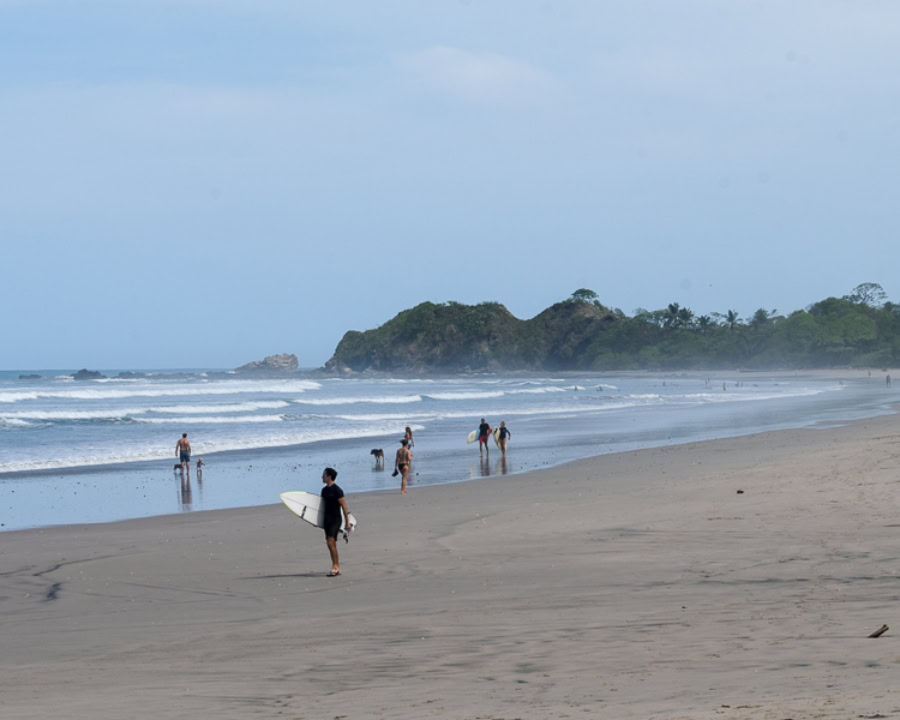


The Mentawai Islands are known for their untouched natural beauty. Picture-perfect beaches, crystal-clear waters, lush tropical rainforests, and breathtaking sunsets create a stunning backdrop for your surf sessions.
I am examining retirement in Lombok for a few years and learned to surf years ago in Newport Beach, Huntington Beach and Santa Barbara, CA. I will be a young 72 when I retire but I am planning a boogie board exploration trip this spring. Where do you suggest I go as coral reefs and points obviously won’t work for me any more than the Wedge in Newport when it gets big.
Thanks,
Gary Godges
Hi Gary, sorry but unfortunately we don’t have any specific recommendations for you at this time. Please visit our growing collection of recommended places to stay here. Hope you find the perfect place your retirement!
Hi! I would like to travel to Indonesia in May to learn surfing. I’d travel alone and I’d stay a month or more.. which spot do you reccomend me for my beginner level? Any package or suggestion to spend my month there about surf lessons and place to stay? Many thank!
Hi Rossana, thanks for getting in touch! Please submit a Surf Trip Inquiry here for help with planning and booking your awesome adventure, we look forward to hearing from you! Cheers